
Tanzanian Confreres made their Perpetual Profession in Manila, Philippines
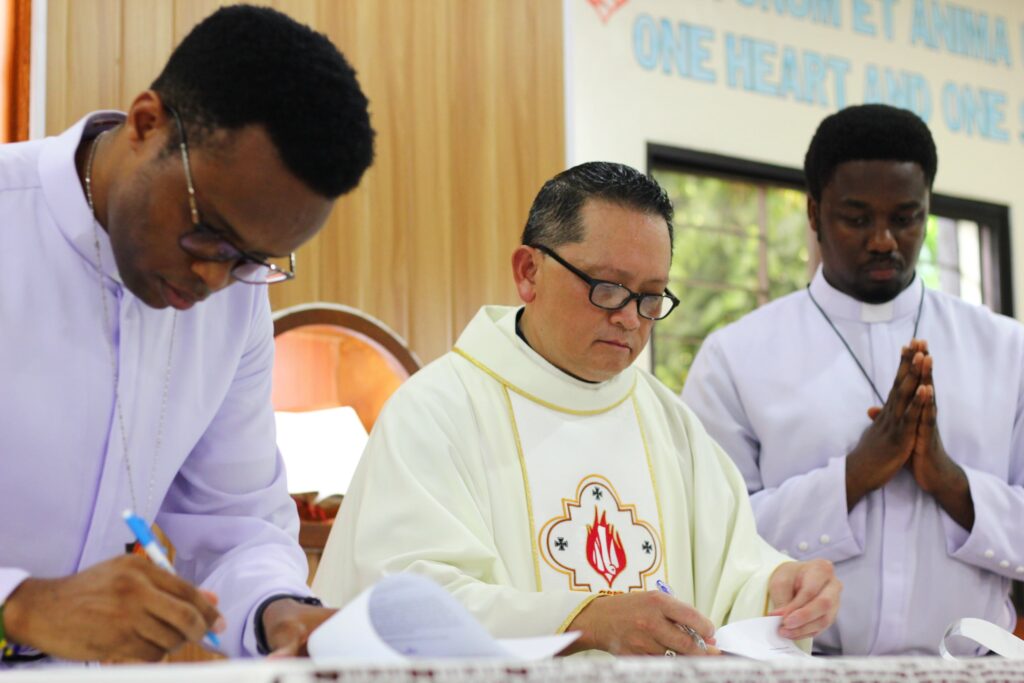
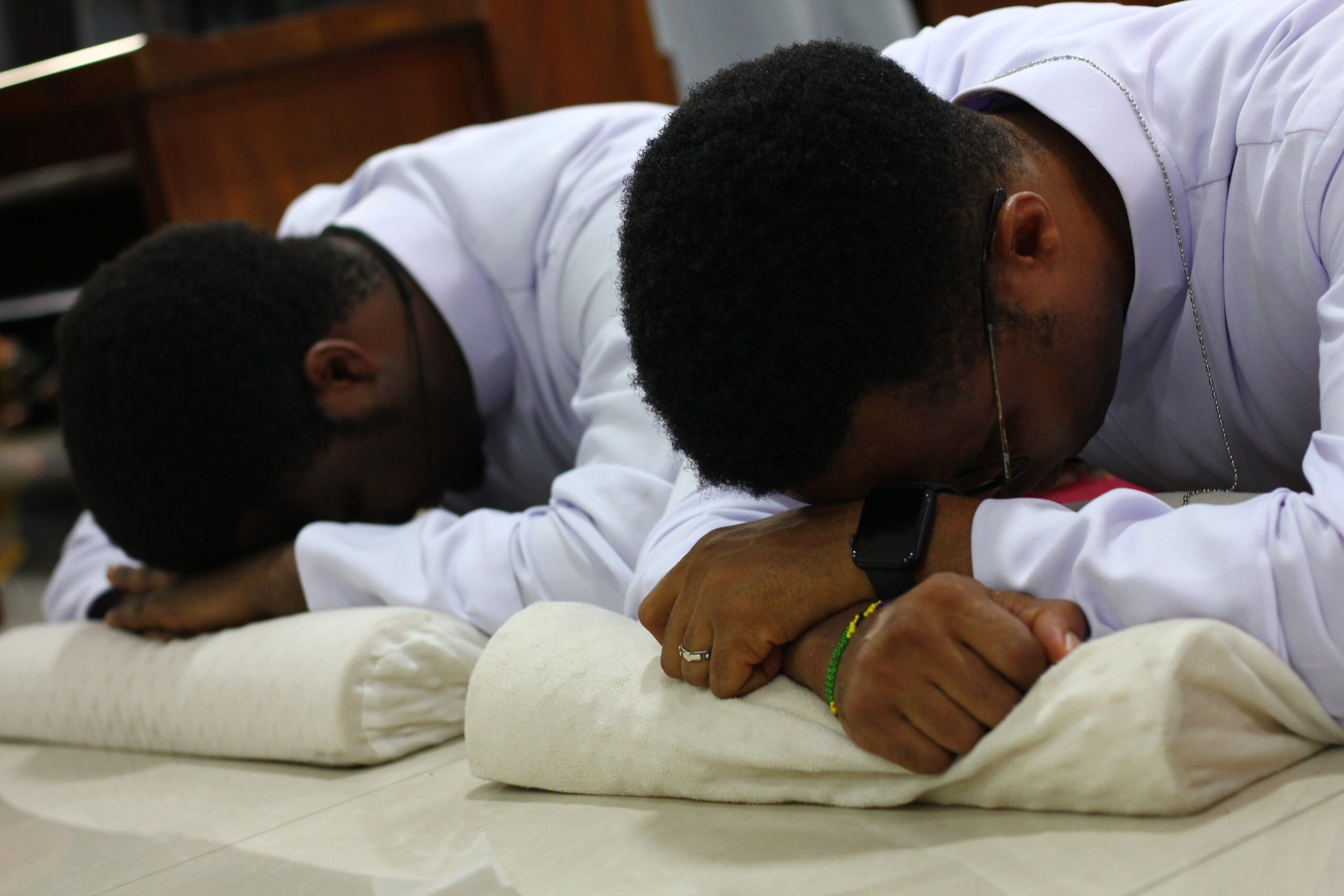
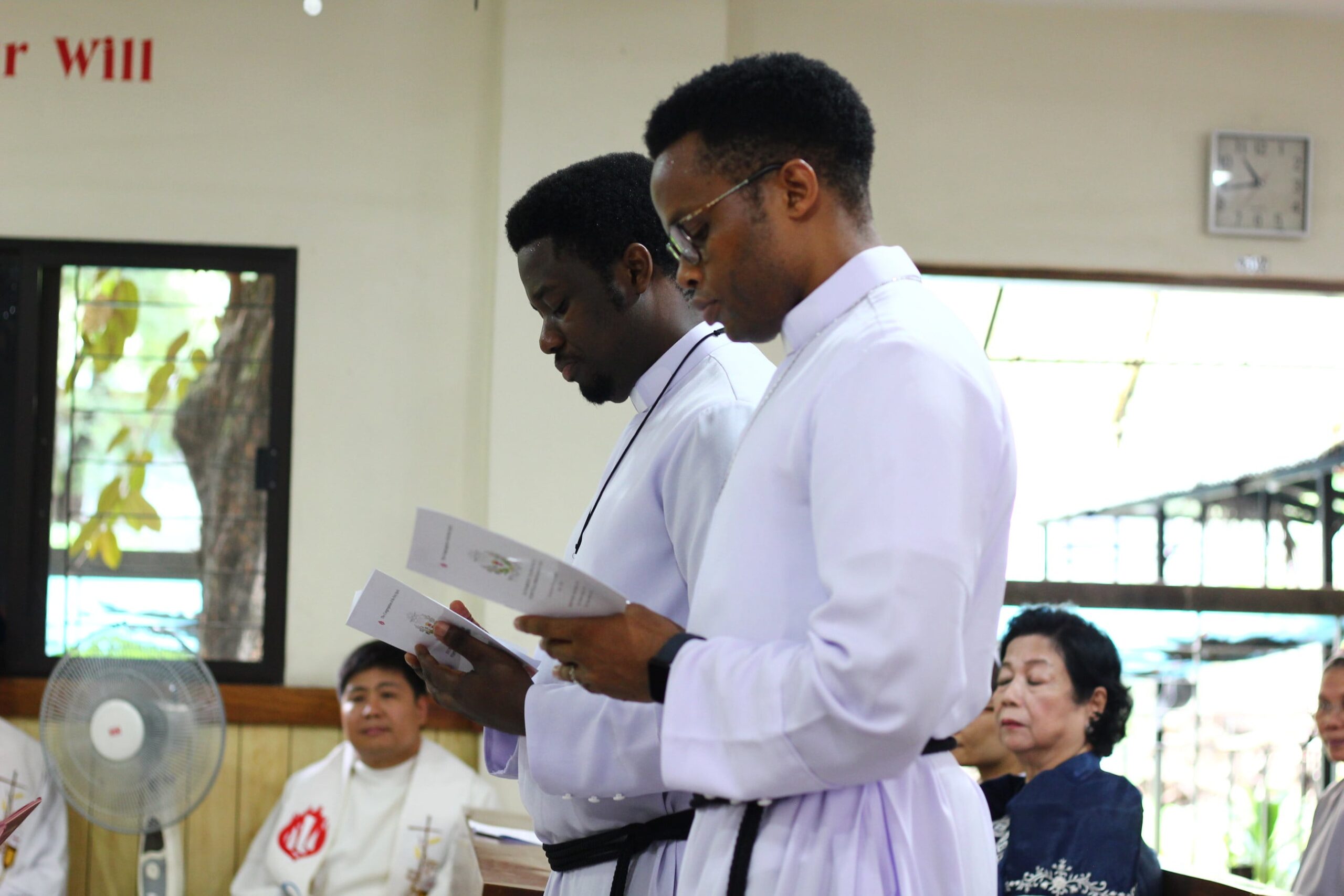
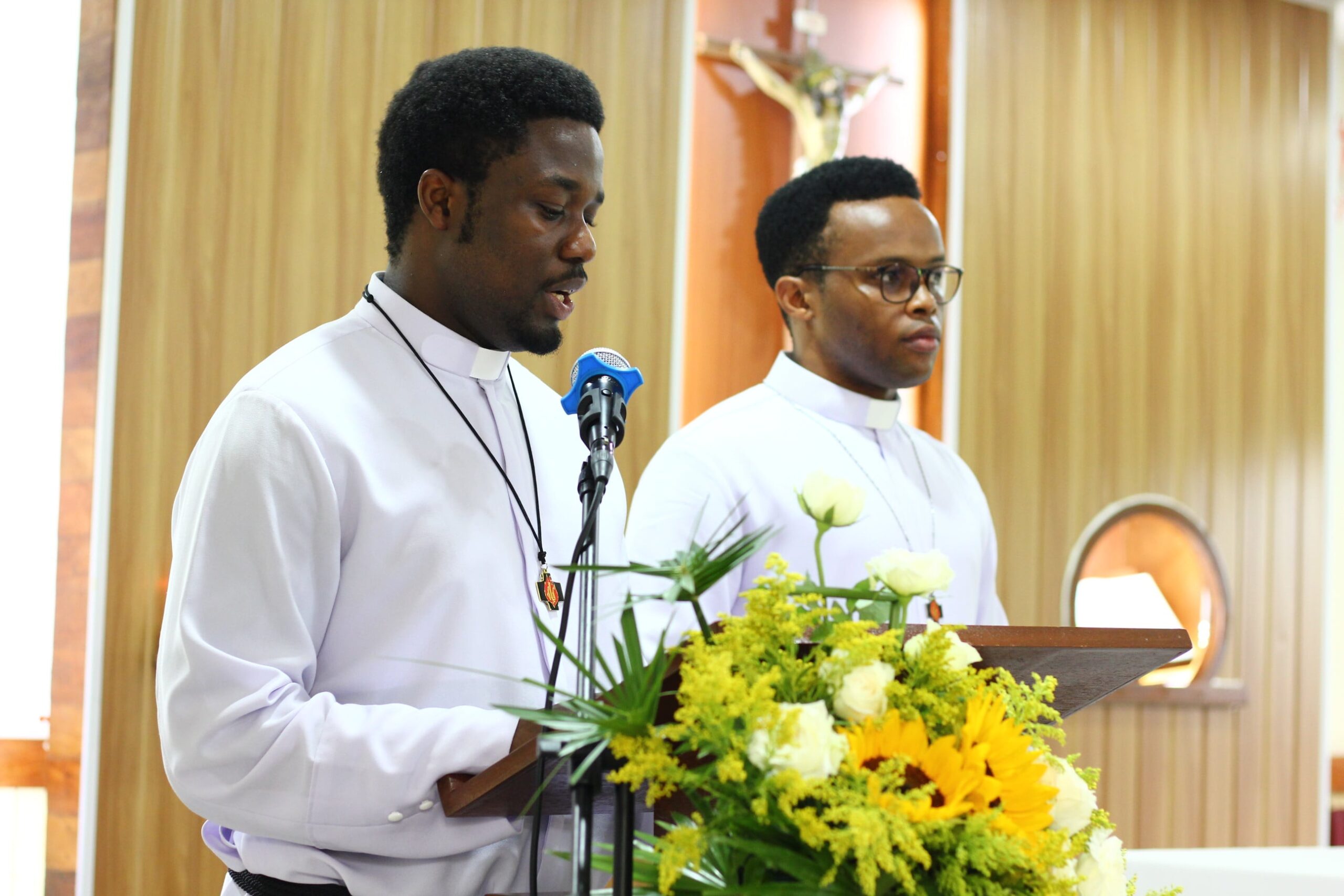
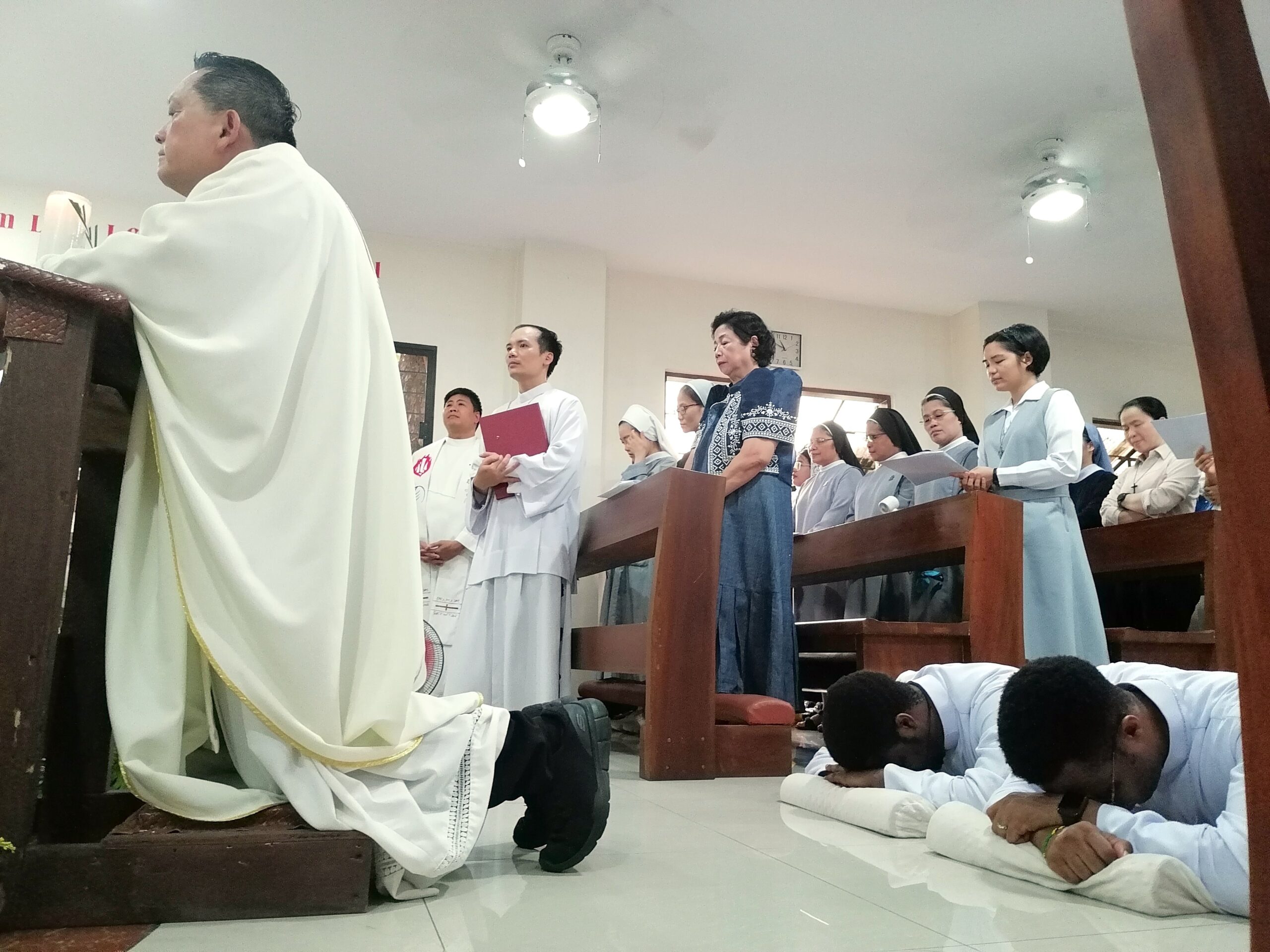
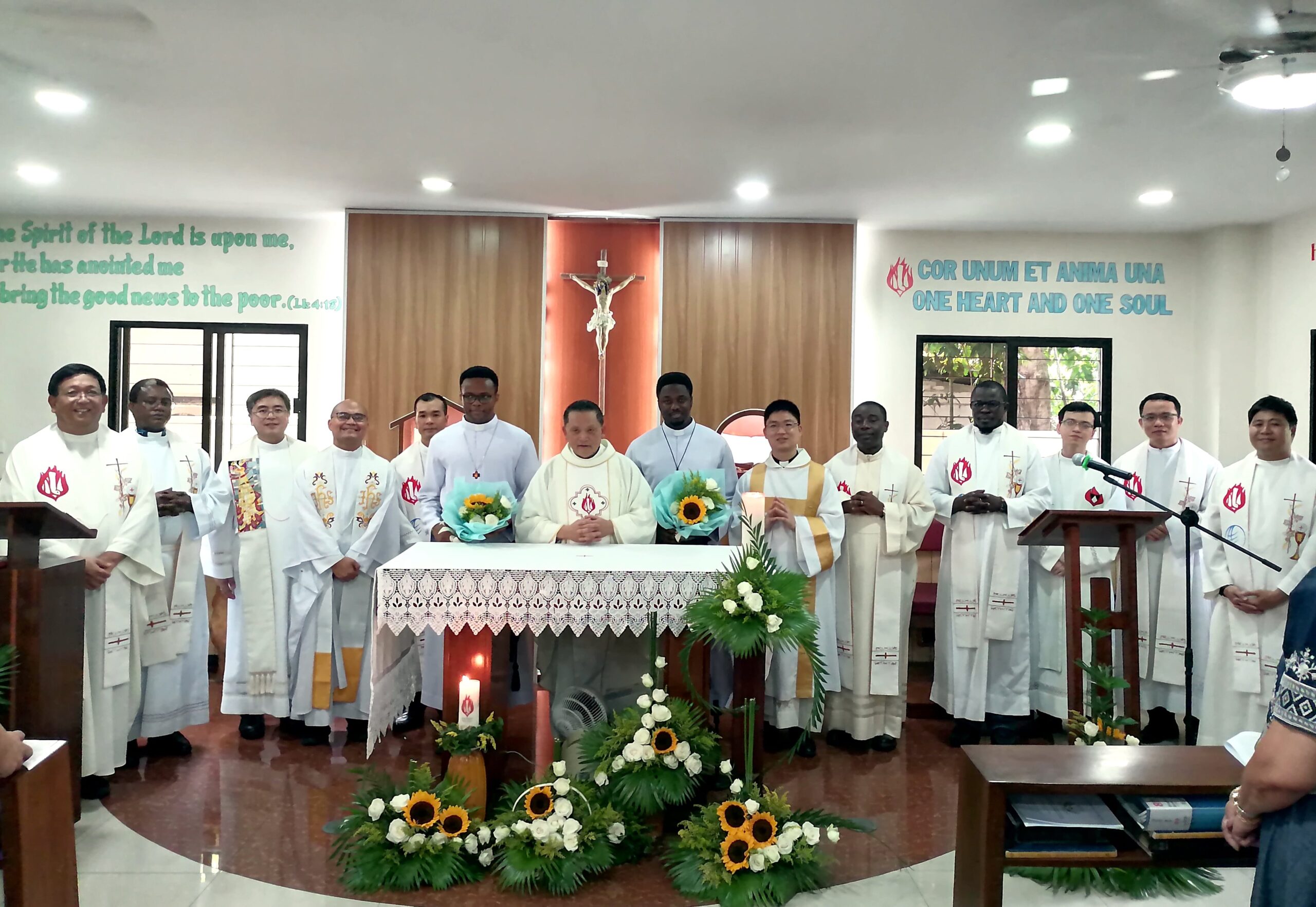
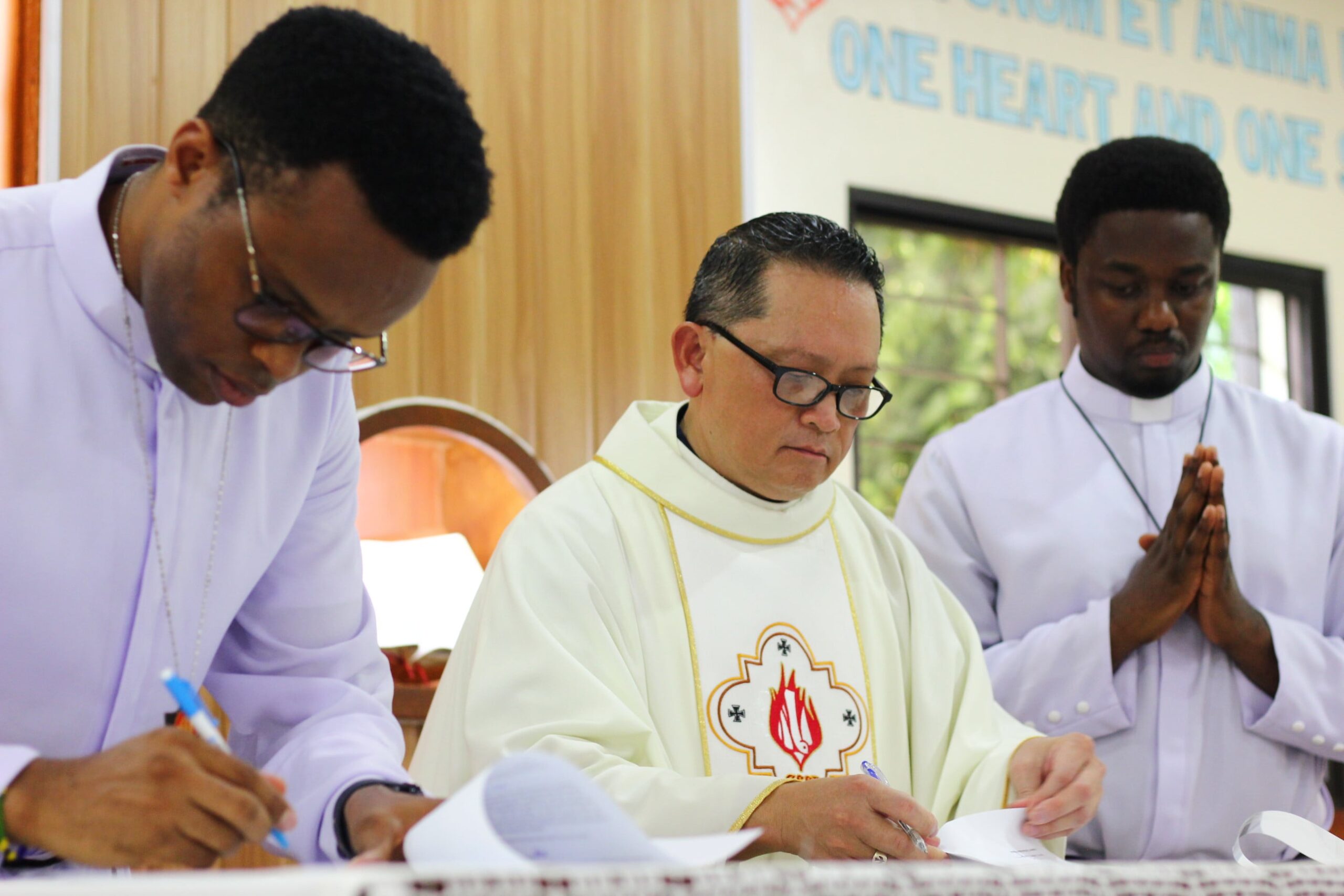
On July 2, 2026 the feast of the Visitation of the Blessed Virgin Mary, two Tanzanian Confreres, Shimbo Pastory, C.S.Sp. and Peter Mallya, C.S.Sp. made their Perpetual Profession in the Congregation of the Holy Spirit at the Spiritan Theologate in Manila, the Philippines. They are the first batch of Tanzanian Spiritans to be sent for theological studies in Manila.
On behalf of the Provincial Superior of the Province of Tanzania, Fr Florentine Mallya, C.S.Sp. the Superior of the group of Vietnam- India, Fr Joseph Nguyen Thien Lam, C.S.Sp. received their vows.
The Profession culminates the Spiritan Month, a crucial dedicated month for deeper prayer and reflection, which spanned all through the month of June. Along side 4 brothers from Vietnam – India group, Brs. Augustin Sao, C.S.Sp., Martin Huy, C.S.Sp., Martin Tuan, C.S.Sp. and Joseph Thong, C.S.Sp., they were all guided by Fr Peter Long, C.S.Sp., Fr Joseph Tiep, C.S.Sp. and the Provincial Fr Joseph Lam, C.S.Sp. who led the final retreat as well.
The celebration was attended by friends from the parish of our Lady of Pentecost, who also provided the choir, from the Loyola School of theology, neighbours and other people of goodwill.
In his homily, Fr Joseph Lam, C.S.Sp. highlighted the importance of persevering in the religious vows, such that by religious vows the professed learn to hand themselves as musicians to the divine maestro, who even when out of tune will give direction to their life. He admonished that by religious vows, te brothers stand as a living sacrifice, emptying their hands of worldly wealth, and declaring to the world that God alone is their inheritance and back-up plan, in the ways of our founders.”
Fr Lam, C.S.Sp encouraged the brothers to make effort to remain in God’s love, as the Lord invites us in the Gospel, by locking their spiritual roots in Christ himself. This he said, is by willingly accepting do die to oneself, so as to become one with the Lord. He said, “You make this vow not in your own physical strength, but by the power of the Holy Spirit who dwells within you.”
Brs Shimbo Pastory, C.S.Sp and Peter Mallya, C.S.Sp. are grateful to God for this great gift of religious vocation in the Congregation of the Holy Spirit, and to the congregation, especially province of Tanzania, for accepting them as brothers, and they ask for the prayers of all people of goodwill so that they will be strong to persevere and bear witness to the Christ’s love in their lives.
New Members Appointed to the Provincial Council of Tanzania
The Spiritan Province of Tanzania has announced the appointment of new members to the Provincial Council, marking an important step in strengthening leadership and service within the Province. Following a period of consultation in accordance with the Spiritan Rule of Life and the decisions of the Fourth Provincial Chapter, the newly appointed Provincial Council members are:
Fr. Evarist Shirima, CSSp. – First Provincial Assistant
Fr. Victor Ashwa, CSSp. – Second Provincial Assistant
Fr. Elias Ruvahofi, CSSp.
Fr. Albano Mwombeki, CSSp.
The Provincial Council plays a key role in guiding the mission and pastoral activities of the Province, supporting the Provincial Superior in leadership, discernment, and decision-making for the good of the Spiritan community and the people they serve.
This appointment reflects the ongoing commitment of the Province to collaborative leadership, unity, and faithful service to the Church’s mission, especially among the poor and marginalized.
The Spiritan community entrusts our new Provincial, Fr. Florentine Mallya, and the newly appointed leadership team to the guidance of the Holy Spirit and to the maternal care of the Immaculate Heart of the Blessed Virgin Mary, as they continue to serve with dedication, wisdom, and missionary zeal. Congratulations to our brothers!
Final Journey of Fr. Peter Sabinus Assenga, CSSp.
(1958–2026)
With deep sorrow and Christian hope in the Resurrection, the Spiritan Province of Tanzania announces the passing of Fr. Peter Sabinus Assenga, CSSp., who died on Friday, 27 February 2026, at the Jakaya Kikwete Cardiac Institute (JKCI) in Dar es Salaam, where he was receiving medical treatments.
Fr. Peter Sabinus Assenga was a dedicated missionary priest and a member of the Congregation of the Holy Spirit (Spiritans). At the time of his passing, he was serving as Parish Priest of St. Augustine Parish, Salasala, in the Archdiocese of Dar es Salaam. He also served as Assistant Provincial (Vice Provincial Superior) of the Spiritan Province in Tanzania.
Born in 1958, Fr. Peter devoted his life to the service of God and the People of God. He was known as a zealous pastor, a compassionate shepherd, and a generous servant, especially among the faithful entrusted to his care. His life was marked by commitment to evangelization, pastoral ministry, and missionary dedication.
Following his passing, the faithful gathered at St. Augustine Parish, Salasala, for prayers and the final farewell Mass. The celebration was marked by deep emotion, gratitude, and faith, as many came to honor his life and ministry.
In the homily during the farewell Mass in Dar es Salaam, delivered by the Archbishop of Dar es Salaam, the faithful were reminded of the meaning of Christian life as a journey of service, faithfulness, and hope in Christ. Fr. Peter was remembered as a priest who lived his vocation with dedication and closeness to the people.
The funeral Mass was held on 4 March 2026 at USA Seminary (USA River), in the Archdiocese of Arusha. The celebration brought together confreres, clergy, religious, family members, and many faithful from different parts of the country.
In the homily in Arusha, delivered by the Archbishop of Arusha, Fr. Peter was remembered as a faithful Spiritan missionary, a man of service, humility, and commitment to the Gospel. The congregation was encouraged to continue his legacy by living lives of faith, unity, and service to others.
Fr. Peter Sabinus Assenga was laid to rest at the Spiritan cemetery at USA Seminary, Arusha.
His life remains a testimony of dedication, humility, and pastoral charity. As a Spiritan and priest, he gave himself generously to the mission of the Church and to the service of the People of God.
“Eternal rest grant unto him, O Lord, and let perpetual light shine upon him. May he rest in peace.